Nutraceuticals, supplements, wellness, marketing trends
Nutraceuticals and supplements
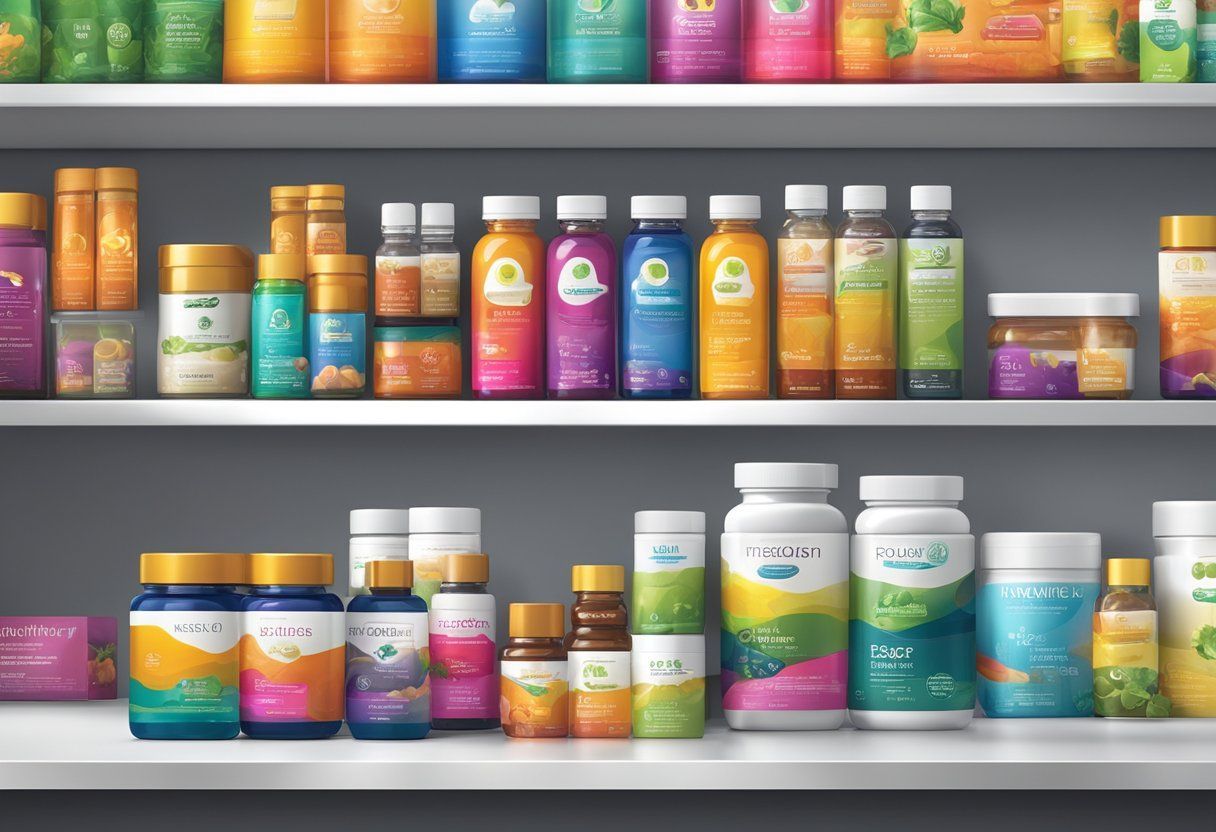
Nutraceuticals and supplements have become major players in the wellness industry. These products promise health benefits beyond basic nutrition, attracting consumers seeking natural ways to improve their well-being. The global nutraceuticals market was valued at $712.97 billion in 2023 and is expected to grow at a rate of 8.4% from 2024 to 2030.
Companies in this space face unique challenges and opportunities. Marketing strategies for nutraceuticals must balance scientific evidence with consumer-friendly messaging. Trends like personalized nutrition and sustainability are shaping product development and branding efforts.
As the industry evolves, so do consumer preferences and regulatory landscapes. Mental wellness, women's health, and active nutrition are emerging as key focus areas. Companies must stay informed about these shifts to remain competitive in the dynamic nutraceutical market.
Key Takeaways
- The nutraceutical market is growing rapidly, driven by consumer interest in preventive healthcare.
- Effective marketing of supplements requires a balance of scientific evidence and consumer-friendly messaging.
- Emerging trends in the industry include personalized nutrition, mental wellness products, and women's health offerings.
Overview of Nutraceuticals in Wellness
Nutraceuticals and supplements play an important role in modern wellness practices. These products aim to boost health and prevent disease through nutritional means. Their popularity has grown as more people take charge of their own wellbeing.
Defining Nutraceuticals
Nutraceuticals are food-derived products that offer health benefits beyond basic nutrition. They can be single ingredients or combinations of active components.
Common examples include:
- Omega-3 fatty acids from fish oil
- Probiotics from fermented foods
- Antioxidants from berries and green tea
Nutraceuticals may have antioxidant, anti-inflammatory, or adaptogenic properties. These effects can improve overall health and potentially prevent or treat certain conditions.
The term combines "nutrition" and "pharmaceutical," highlighting the link between diet and health. Nutraceuticals bridge the gap between food and medicine.
The Role of Supplements in Health
Dietary supplements are a key part of the nutraceutical market. They provide concentrated nutrients in pill, powder, or liquid form.
Common supplement types include:
- Vitamins and minerals
- Herbal extracts
- Protein powders
- Amino acids
People take supplements to:
Fill nutritional gaps in their diet
Boost energy and performance
Support immune function
Promote healthy aging
The nutraceutical industry is worth billions of dollars and growing rapidly. This growth stems from increased consumer interest in preventive health care.
Trends in Wellness and Self-Care
The wellness industry is evolving, with nutraceuticals at the forefront. People are taking a more active role in their health.
Key trends include:
- Personalized nutrition plans
- Functional foods with added health benefits
- Plant-based and natural supplements
- Digital health tracking and apps
Multi-level marketing has boosted sales of supplements and wellness products. Social media influencers also play a big role in promoting nutraceuticals.
Consumers are seeking products that support mental health, stress relief, and sleep. Immune-boosting supplements have seen a surge in popularity.
The focus is shifting from treating illness to maintaining wellness. This change drives ongoing innovation in the nutraceutical space.
Marketing Strategies for Nutraceuticals
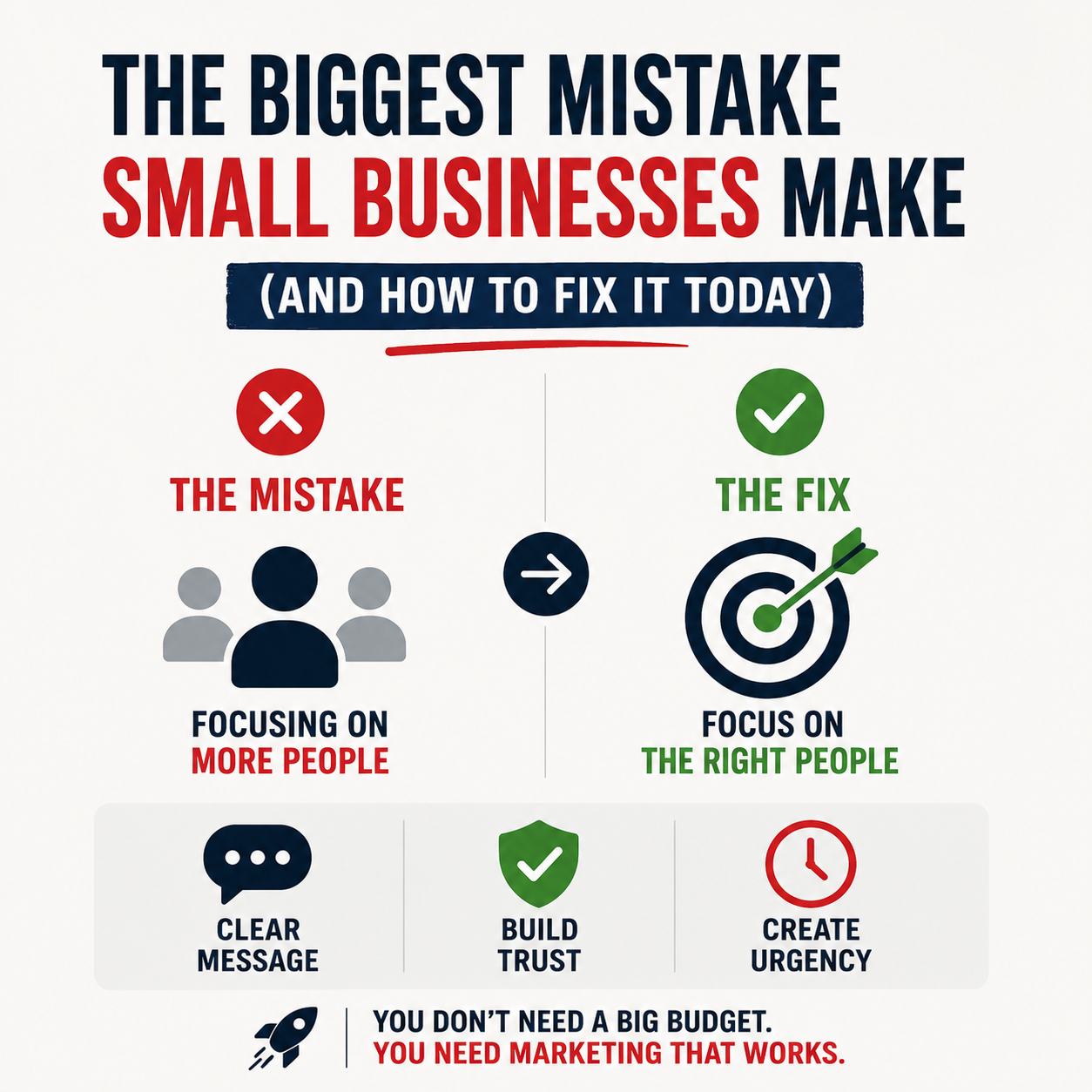
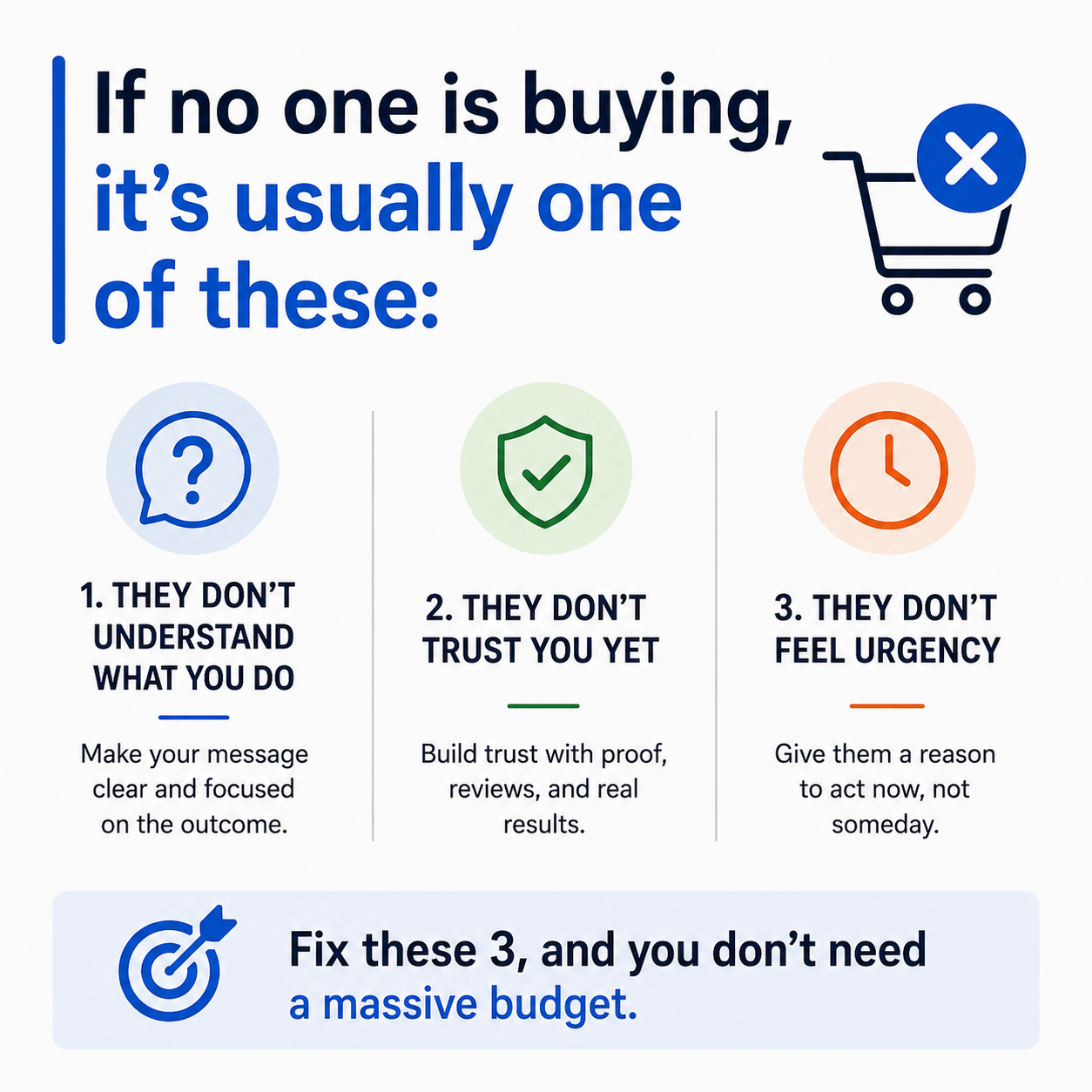
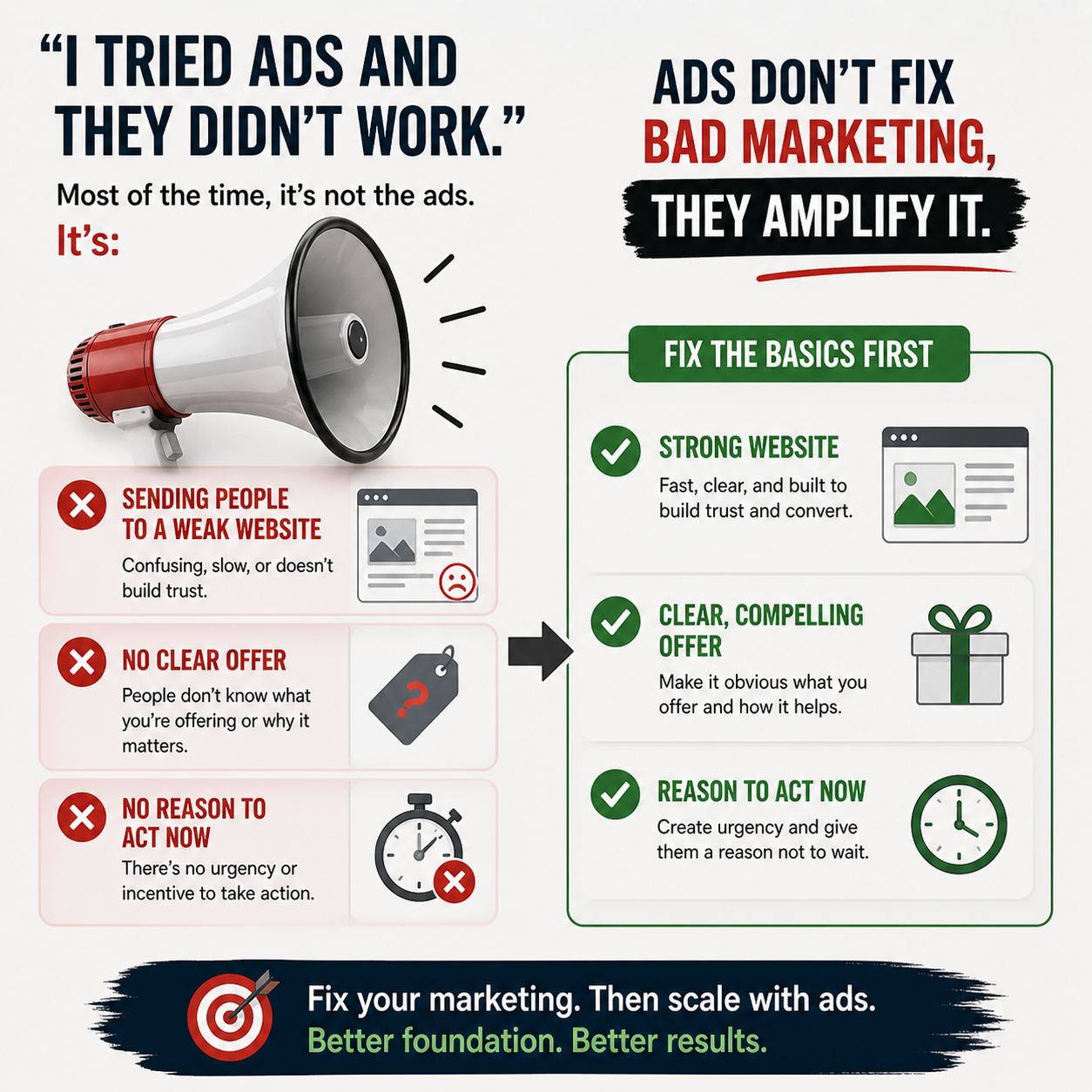
Effective marketing is key to success in the competitive nutraceutical industry. Companies must understand their target audience, leverage digital platforms, follow regulations, and build trust with consumers.
Understanding the Target Market
Knowing your customers is crucial for nutraceutical marketing. Different age groups and lifestyles have varying health needs and preferences. For example, older adults may seek joint health products, while younger consumers focus on energy and fitness supplements.
Market research helps identify these segments. Surveys, focus groups, and data analysis reveal consumer habits and motivations. This information shapes product development and marketing messages.
Tailoring your approach to each group is important. Use language and imagery that resonates with your target audience. For instance, ads for senior vitamins might feature active older adults, while sports nutrition products could show athletes in action.
Digital Marketing Techniques
Online platforms are essential for reaching nutraceutical consumers. A strong website is the foundation, providing product information and easy purchasing options. Social media helps build brand awareness and engage customers. Share health tips, product benefits, and user testimonials on platforms like Instagram and Facebook.
Email marketing keeps customers informed about new products and promotions. Personalized content based on purchase history can increase engagement.
Content marketing educates consumers about health topics related to your products. Blog posts, videos, and infographics can position your brand as a trusted source of information.
Pay-per-click advertising and search engine optimization improve visibility. Target keywords related to health concerns your products address.
Regulations and Compliance in Marketing
Nutraceutical marketing must follow strict rules to protect consumers. The FDA regulates health claims made in advertising and on product labels.
Avoid making unsupported claims about curing or treating diseases. Instead, focus on general wellness benefits supported by scientific evidence.
Include required disclaimers on marketing materials. For example, "These statements have not been evaluated by the FDA. This product is not intended to diagnose, treat, cure, or prevent any disease."
Be transparent about ingredients and potential side effects. This builds trust and helps consumers make informed decisions. Stay updated on changing regulations. Working with legal experts ensures your marketing stays compliant.
Building Brand Trust and Loyalty
Quality and consistency are key to earning customer trust in the nutraceutical industry. Use high-quality ingredients and maintain strict manufacturing standards. Provide clear, honest information about your products. Explain how they work and what results customers can expect.
Offer excellent customer service. Respond promptly to questions and concerns. A satisfaction guarantee can give customers confidence in trying your products.
Build a community around your brand. Host webinars or Q&A sessions with health experts. Create a loyalty program to reward repeat customers.
Collaborate with respected health professionals or influencers. Their endorsements can lend credibility to your products.
Frequently Asked Questions
Nutraceuticals and dietary supplements play a growing role in health and wellness. Many people have questions about their benefits, safety, and how they differ from traditional products. Let's explore some common inquiries about these health-enhancing substances.
How do clinical studies assess the impact of nutraceuticals and dietary supplements?
Clinical studies use controlled trials to measure the effects of nutraceuticals. Researchers typically compare a group taking the supplement to a placebo group. They track health markers like cholesterol levels or inflammation over time.
These studies often last several months to see long-term impacts. Scientists use blood tests, physical exams, and surveys to gather data on participants' health outcomes.
What are the researched benefits of integrating nutraceuticals into a daily wellness routine?
Studies show nutraceuticals can support heart health, boost immunity, and improve digestion. Some products help manage blood sugar or reduce joint pain. Others enhance cognitive function and promote better sleep. Regular use of certain nutraceuticals may lower the risk of chronic diseases. For example, omega-3 supplements can reduce heart disease risk factors.
What are the safety standards and regulations governing nutraceutical products?
The FDA regulates nutraceuticals as dietary supplements in the U.S. Companies must follow Good Manufacturing Practices (GMP) to ensure product quality. They must also list all ingredients on labels. Products can't claim to treat or cure diseases. The FDA can remove unsafe products from the market. Many companies do extra testing to prove their products are pure and potent.
What strategies are most effective for marketing nutraceuticals to consumers?
Educating consumers about health benefits is key. Many brands use content marketing to share helpful information. This includes blog posts, videos, and social media content. Partnerships with healthcare professionals can boost credibility. Some companies offer free samples or money-back guarantees. Targeted online ads help reach health-conscious consumers.
What distinguishes nutraceuticals from traditional dietary supplements?
Nutraceuticals often contain higher doses of active ingredients than regular supplements. They're designed to have specific health effects beyond basic nutrition. Many use patented formulas or branded ingredients. These products usually have more research backing their claims. They may combine multiple ingredients for synergistic effects. Nutraceuticals are often pricier due to their specialized formulas.
Which demographic groups are the primary consumers of nutraceutical products?
Middle-aged and older adults are big nutraceutical users. They often seek products for healthy aging and disease prevention. Health-conscious millennials are another key market. Athletes and fitness enthusiasts buy performance-enhancing nutraceuticals. People with specific health concerns, like joint pain or high cholesterol, are also frequent buyers. The market keeps growing as more people focus on preventive health care.