Social Media Marketing: What You Need to Be Aware of in 2026
Social Media Marketing: What You Need to Be Aware of in 2026
Social media marketing has matured. What worked even two years ago is no longer enough, and brands that treat social as a posting exercise rather than a strategic channel are starting to feel it. Algorithms are more selective, audiences are more distracted, and platforms are prioritizing quality over volume.
If you are using social media to grow a brand, generate leads, or build trust, there are several key things you need to be aware of right now.
1. Relevance Matters More Than Reach
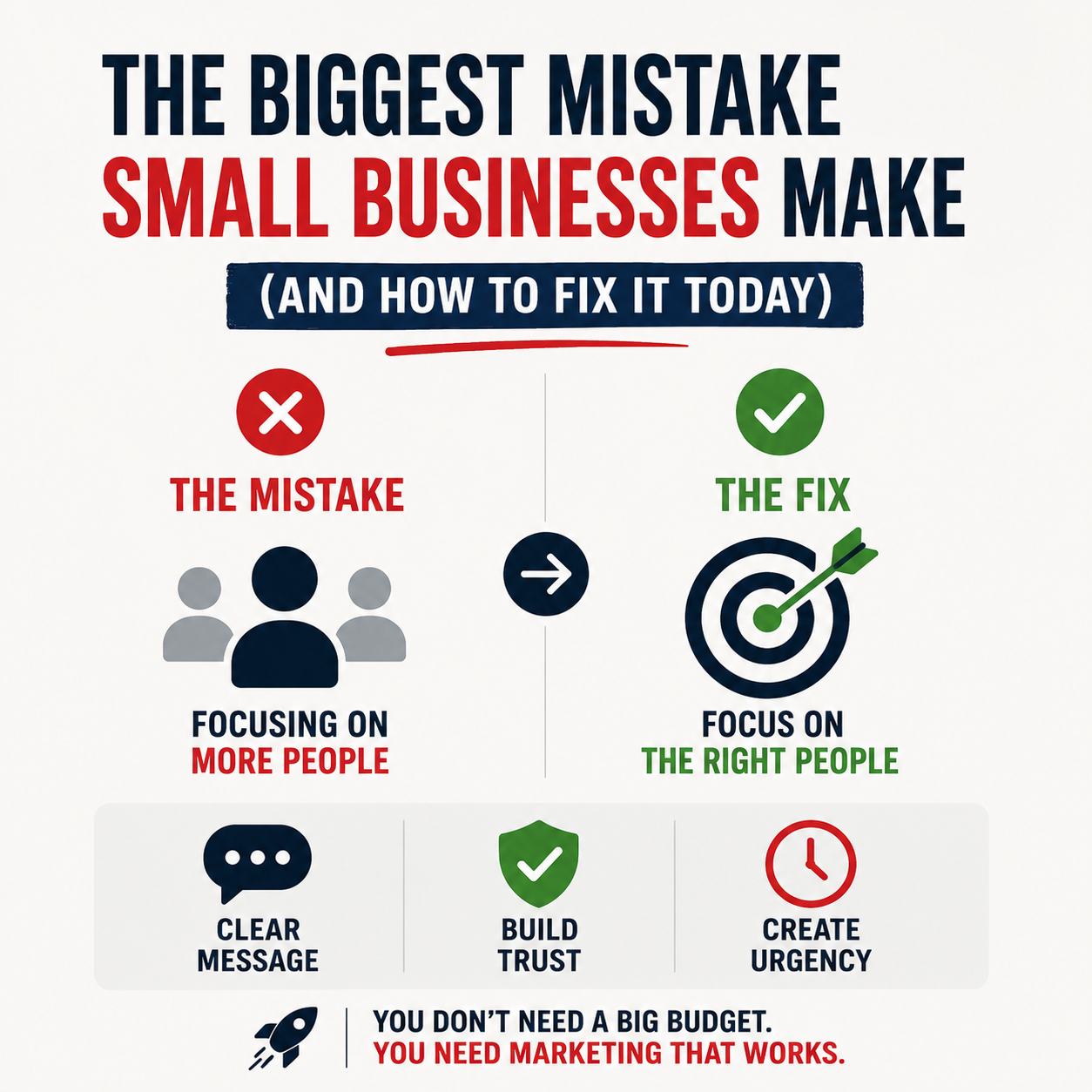
One of the biggest misconceptions in social media marketing is that success equals reach. While visibility is important, reach alone does not drive results. Platforms now prioritize relevance, meaning your content is shown to people most likely to engage with it, not the largest possible audience.
This shift means niche content often outperforms broad messaging. A post that resonates deeply with a smaller audience will usually outperform a generic post seen by thousands. Saves, shares, comments, and watch time all signal relevance to the algorithm.
The takeaway is simple: know exactly who your content is for. Speak directly to their needs, questions, and frustrations. Relevance is what fuels sustainable growth.
2. Consistency Builds Trust and Algorithm Confidence
Consistency is no longer about posting every day. It is about posting with intention and predictability. Platforms look for patterns in your behavior, including topic focus, format, and posting frequency.
When content is inconsistent in message or quality, both audiences and algorithms struggle to understand what your account represents. This often leads to lower reach and engagement over time.
A strong social media strategy focuses on a few core themes and sticks to them. Whether you post three times a week or once a week, consistency builds trust. Trust leads to engagement, and engagement drives visibility.
3. The Algorithm Is Data-Driven, Not Personal
Many brands believe they are being penalized or suppressed by social platforms. In reality, algorithms are designed to respond to audience behavior, not brand intent.
If a post does not perform well, it is usually due to one of the following:
- The hook was not clear
- The content did not match audience expectations
- The format did not encourage engagement
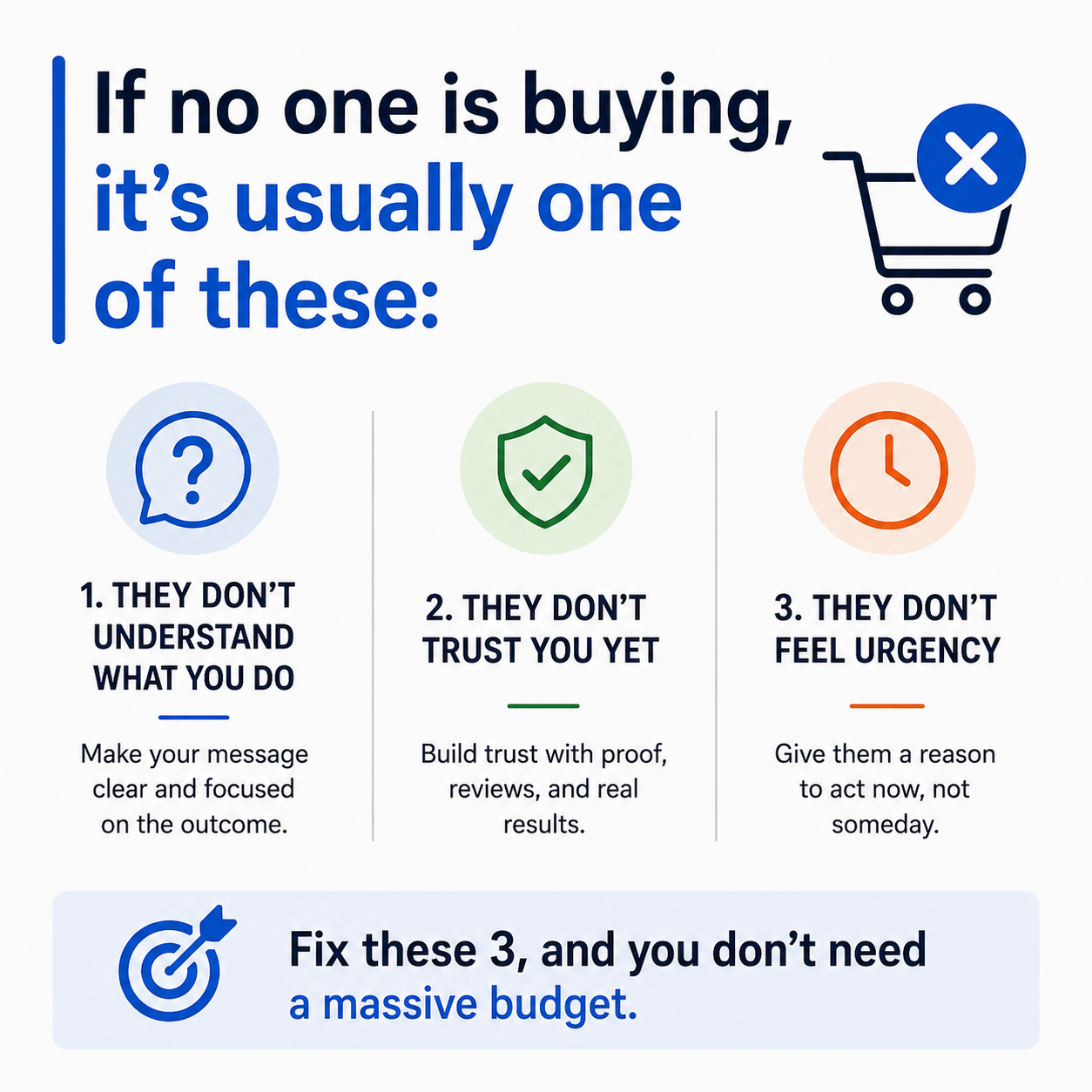
- The message lacked clarity or value
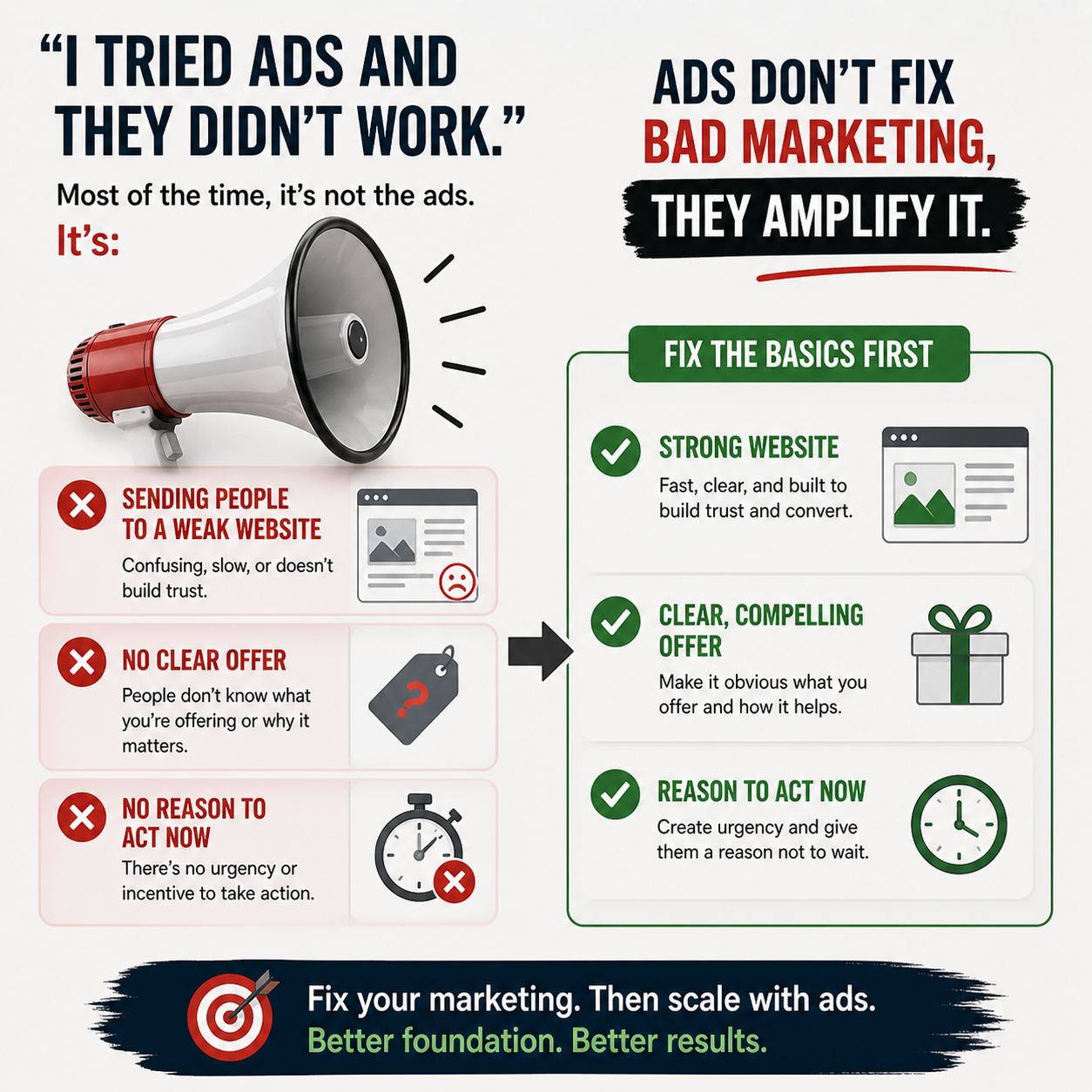
Understanding this shifts the focus away from blaming the platform and toward improving the content. Testing hooks, refining messaging, and studying engagement patterns will always produce better results than trying to outsmart the algorithm.
4. Attention Spans Are Shorter Than Ever
Social media is an attention economy. You have only a few seconds to communicate why someone should stop scrolling and engage with your content.
This makes clarity critical. Every post should focus on one idea, one insight, or one action. Overloading a post with too much information reduces its impact.
Strong social content typically includes:
- A clear hook in the first line
- Simple, direct language
- Scannable formatting
- A focused takeaway
Clear communication consistently outperforms clever wording or overly polished copy.
5. Platform-Specific Strategy Is Essential
Posting the same content across all platforms is rarely effective. Each platform rewards different behaviors and formats.
For example:
- Short-form video favors strong hooks and watch time
- LinkedIn prioritizes conversation and dwell time
- Instagram values saves and shares
- TikTok rewards completion rates and replays
Understanding how each platform works allows you to adapt your message without reinventing it. The core idea stays the same, but the delivery changes.
This is where many brands struggle. They create content without adjusting it for the platform, then wonder why performance varies.
6. Owned Audiences Reduce Risk
One of the most important considerations in social media marketing is risk management. Platforms change rules, algorithms shift, and accounts can be restricted without warning.
Relying solely on social media for visibility puts your business in a vulnerable position. Smart brands use social as a gateway, not a destination.
Building owned audiences such as email lists, private communities, or subscriptions gives you control. Social media should drive awareness and trust, but conversion should happen in spaces you own.
7. Metrics That Actually Matter
Follower counts are becoming less meaningful. What matters more is engagement quality and downstream impact.
Key metrics to track include:
- Engagement rate
- Saves and shares
- Click-through rates
- Watch time
- Conversions from social traffic
These metrics provide insight into whether your content is resonating and driving action, not just being seen.
Final Thoughts
Social media marketing in 2026 is less about posting more and more about posting smarter. Brands that succeed understand their audience, communicate clearly, stay consistent, and use social platforms strategically rather than reactively.
The brands that struggle are often the loudest, not the clearest.
If you treat social media as a long-term relationship rather than a quick win, it becomes one of the most powerful tools in your marketing mix.