The Power Of Demand Generation And How It Works

In today's competitive market, getting clients isn't just about casting a wide net; it's also about making them very interested in what you have to offer. This is where demand generation comes in. It changes the way organizations interact with potential customers and helps them expand in a way that lasts.
What does it mean to generate demand?
Demand generation includes, persuading people want to buy your goods or service. In a more formal way, marketing programs leverage technology to create awareness and interest in a company's products and services. But generating demand is much more than just getting leads. It's a whole-person approach that helps prospects all the way through their buying journey, from the first time they hear about you to when they become devoted customers.
Why Demand Generation Is Important Right Now More than ever
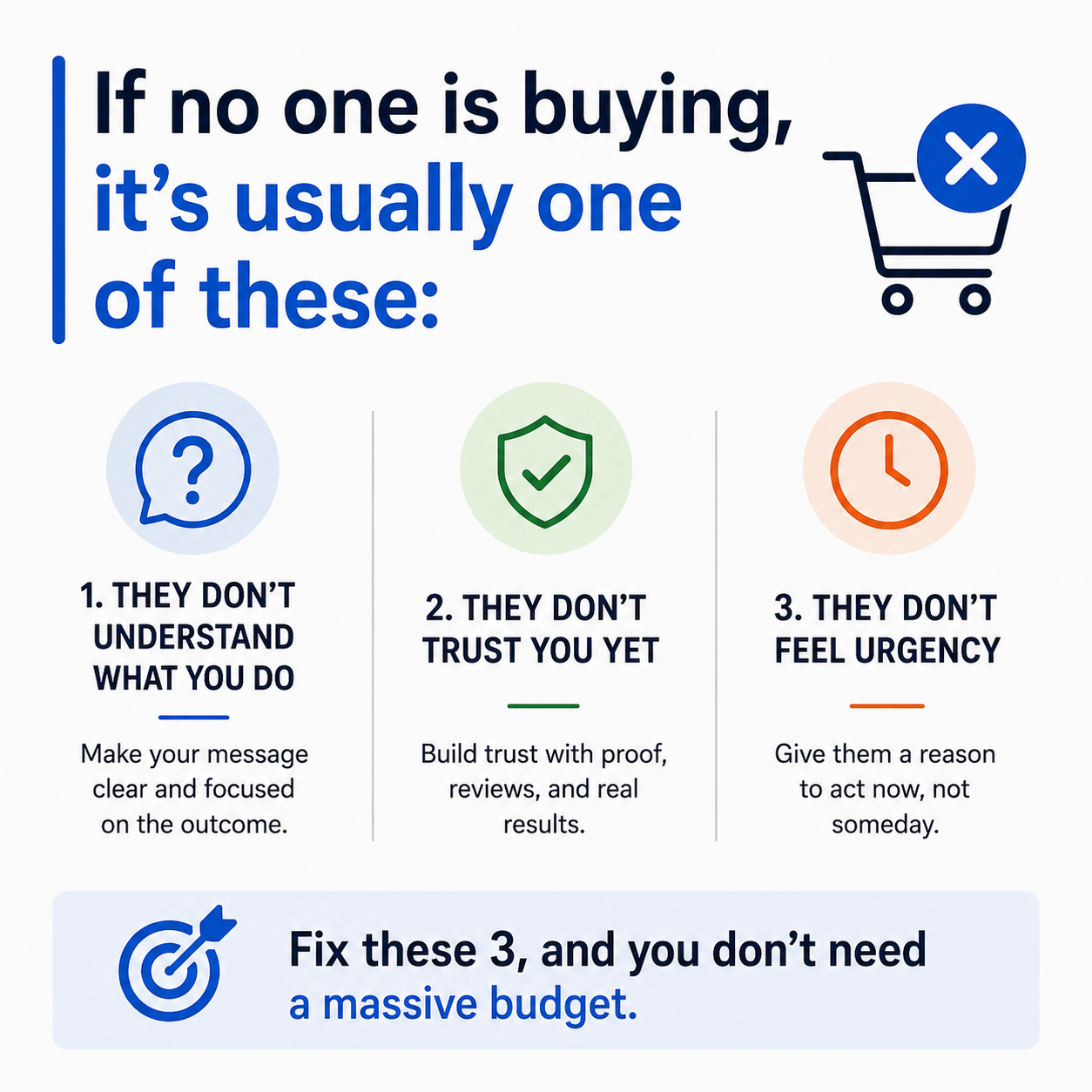
People who buy things these days are smart. They do their own research, carefully weigh their options, and demand experiences that are tailored to them. Demand generation addresses these needs by making useful touchpoints that teach, involve, and develop trust long before a sales discussion starts.
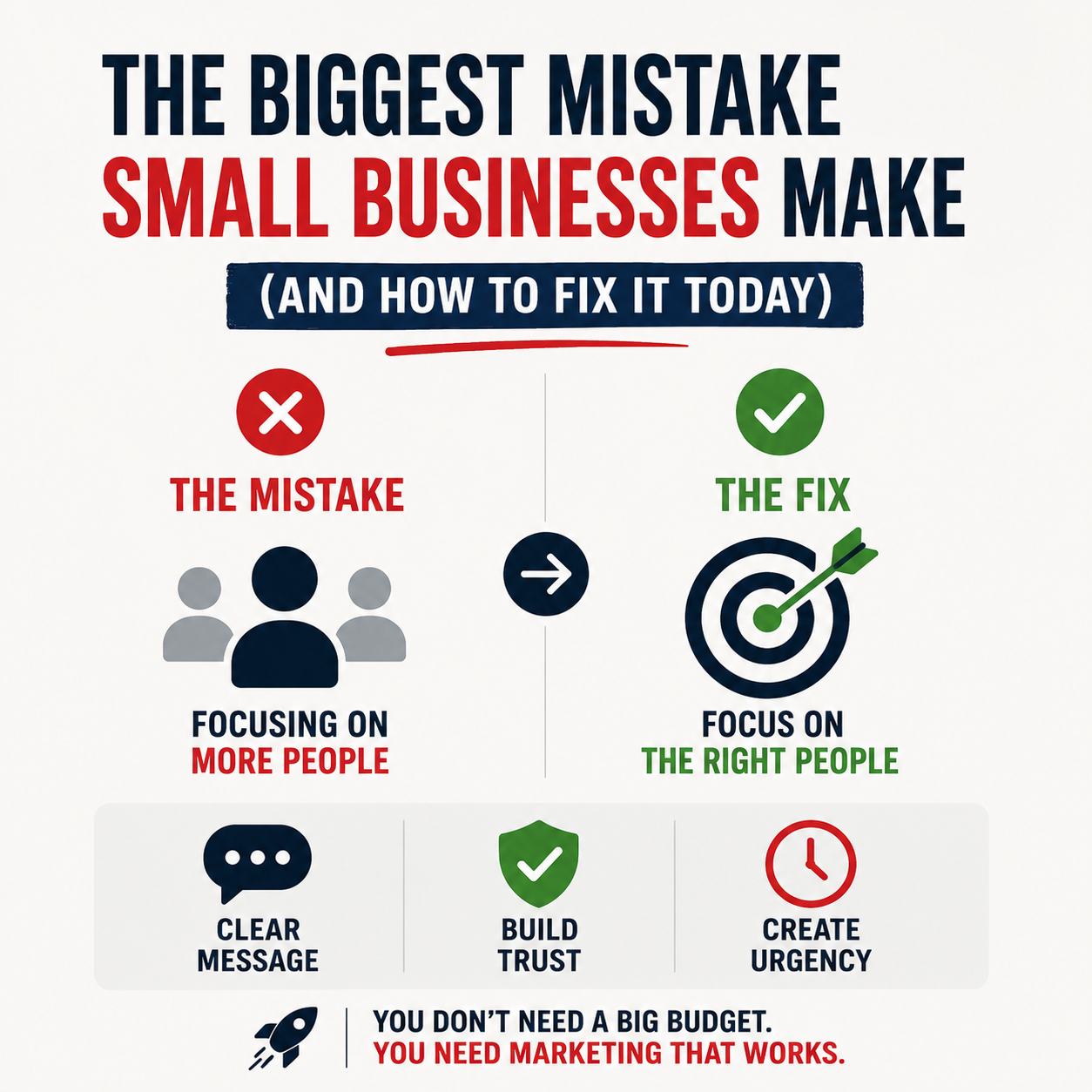
Demand generation is different from typical marketing methods that put a number over quality. Instead, it focuses on getting the right people, those who really need your solution and are more likely to become long-term clients. This strategy leads to better leads, faster sales cycles, and a better return on investment.
Key Parts of Successful Demand Generation
Marketing through content: Blog entries, whitepapers, webinars, and case studies that teach your audience something new and show them that your brand is a reliable source.
Multi-Channel Engagement: Getting in touch with potential customers where they are, whether it's through email marketing, social media, paid ads, or SEO, and making sure the message is the same on all channels.
Marketing Automation: Using technology to provide personalized experiences to a large number of people, nurturing leads with information that is relevant to their interests and actions.
Data Analytics: Always keeping track of how well things are doing, figuring out what works for your audience, and making campaigns better for better outcomes.
The Demand Generation Edge
Companies that are good at generating demand get amazing results. They make people more aware of their brand, form closer relationships with potential customers, and set up reliable streams of income. Sales teams don't chase after cold leads; instead, they talk to prospects who are already interested and know what the value proposition is.
Demand generation also gives you a competitive edge. By always giving value and creating trust, you make your brand the best choice in your field, which makes it harder for competitors to get people to pay attention.
Starting with Demand Generation
Start by getting to know your ideal consumer very well, including their problems, goals, and how they buy things. Produce something that really helps them solve problems, not merely stuff that sells your product. Use technology that lets you keep track of engagement and tailor experiences to each user. And most crucially, make a long-term commitment. Over time, demand creation generates momentum, which leads to compounding returns that makes your marketing work better for you.
In a time when customers are in charge of the buying process, demand generation isn't simply a marketing tactic; it's a must for businesses. If you focus on creating real demand instead of just capturing existing demand, your business will be ready for long-term, scalable growth that can handle changes in the market and economic volatility.
You don't need to ask if you need demand generation. It's whether you can afford to run without it.