Marketing with a Very Small Budget: Prioritize Essentials
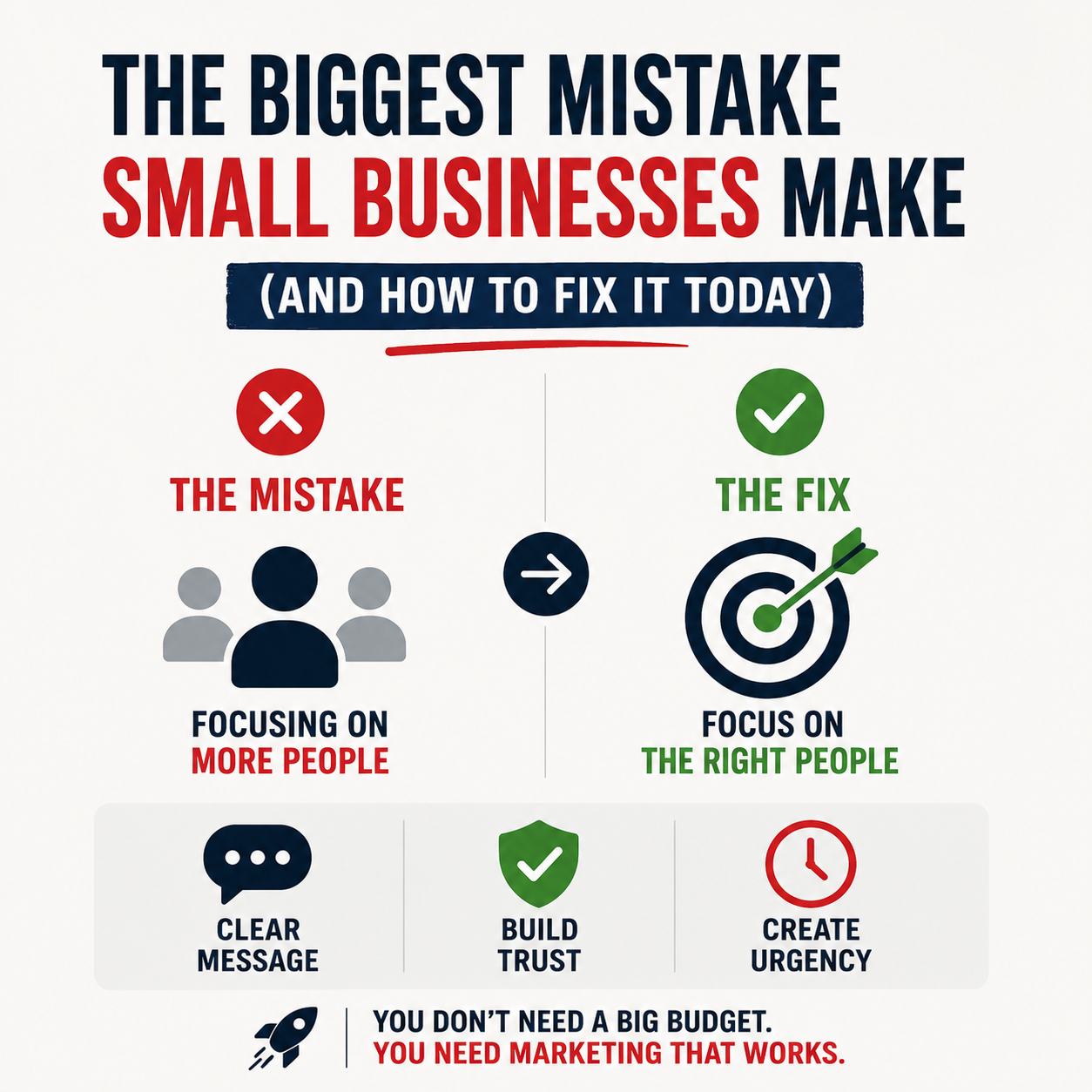
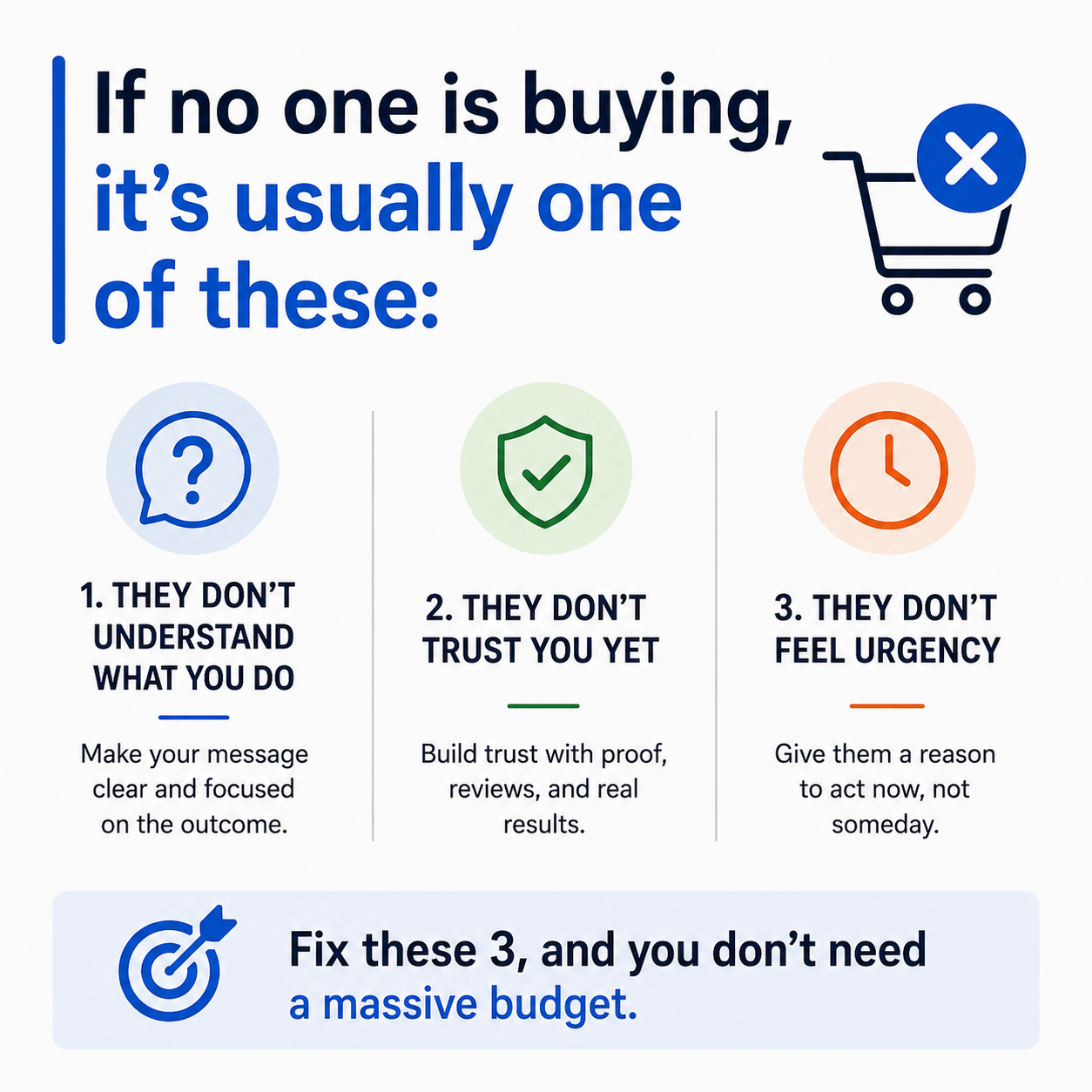
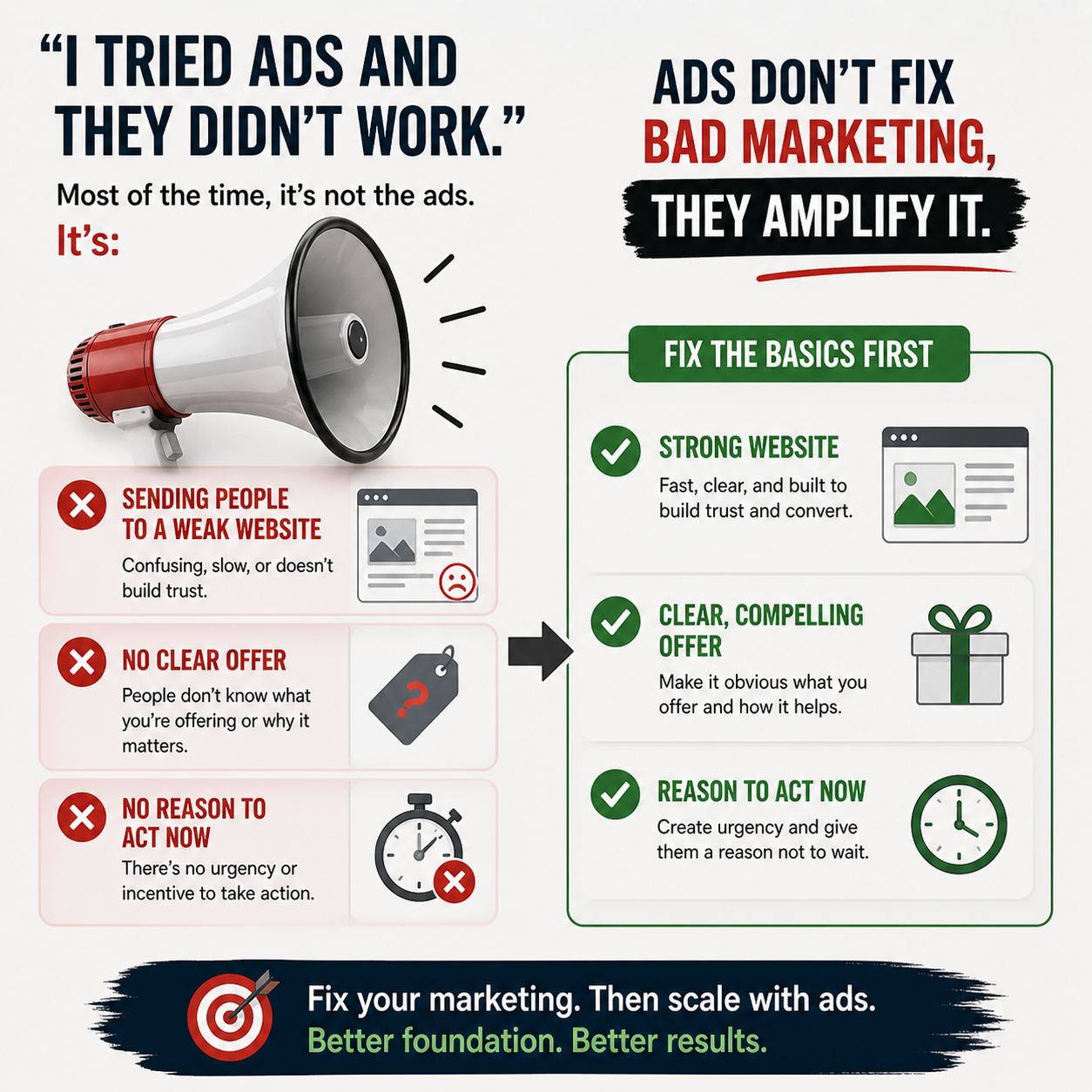
When money is tight, making every dollar count is crucial. Focus on the marketing channels that give the most return on investment. Social media, email marketing, and content creation often provide a lot of value without breaking the bank. These tools can offer direct access to customers and help build a loyal following.
Limited resources require strategic thinking. Small businesses should prioritize channels that align with their goals and target audience. Leveraging free analytics tools to measure what works can guide future spending. At the same time, partnerships and collaborations with other businesses can expand reach without extra cost.
Campaigns need creativity more than cash. Engage audiences by sharing stories and providing value. Simple, consistent efforts can create a significant impact over time, setting the foundation for future growth.
Key Takeaways
- Focus on high-impact marketing channels.
- Use tools to measure and guide spending.
- Creativity and consistency outweigh budget size.

Prioritizing Marketing Channels
Focusing on the right channels can significantly boost marketing effectiveness with limited resources. By understanding the audience and using tools like social media and SEO-rich content, businesses can achieve impactful results.
Identifying Your Target Audience
Before choosing marketing channels, it's vital to know who the products and services are for. Businesses should define an audience's age, needs, and shopping preferences. Tools like surveys, customer feedback, and market research can provide insights.
Creating a persona—a detailed description of a typical customer—can help in understanding their behavior. Knowing where your audience spends time online guides you to where marketing efforts should be focused. Use this data to make informed decisions on which channels to prioritize.
Leveraging Social Media
Social media platforms offer direct engagement with potential customers. Facebook, Instagram, and Twitter can be effective for businesses with a small budget. Free tools, such as Facebook Insights, provide valuable information about audience interaction.
Running targeted ads on social media can be done with limited funds. Focus on organic tactics too, like regular posting, engaging with users, and joining relevant groups. Influencer partnerships, even with micro-influencers, can extend reach without breaking the bank.
Content Marketing and SEO
Creating useful content that ranks well in search engines is a powerful tool. Businesses should publish blog posts, videos, or infographics that address customer pain points or interests. This builds trust and draws traffic without large expenses.
Incorporate SEO strategies, like using keywords relevant to your audience. This improves visibility in search results, attracting more visitors. Updating existing content can also help maintain good SEO rankings. Prioritize quality over quantity to effectively use resources.
Maximizing Resource Allocation
Small budgets require careful planning to make the most impact. Focusing on creativity and data can help stretch resources effectively.
Creative Use of Budget
Creativity is key when money is tight. Collaboration is one way to extend the budget. Team up with other businesses for joint promotions. This approach creates a win-win situation.
Social media is another cost-effective tool. Engaging content can reach a wide audience without spending much. Interactive posts, polls, and challenges can boost audience involvement.
DIY marketing materials can also save money. Tools like Canva allow non-designers to create visually interesting graphics and promotional items without hiring a professional.
Analytics and Metrics
Data is crucial for stretching a budget. By monitoring performance metrics, businesses can see what works and what doesn’t. This helps in reallocating resources to the most effective strategies.
Tools like Google Analytics provide insights into website traffic, helping identify popular content and user behavior. This data leads to smarter marketing decisions.
Keeping track of social media metrics can also unveil trends. Businesses can adjust their content strategy based on which posts get the most engagement, ensuring the budget is directed toward effective methods.
Frequently Asked Questions
When marketing on a small budget, it's important to use cost-effective strategies and make smart use of digital marketing methods. Social media can be a great tool if used correctly, and many free resources are available to help startups. Content marketing also plays a crucial part in stretched budgets.
What are cost-effective strategies for marketing a small business?
For a small business, focusing on local marketing and partnering with other businesses can be invaluable. Networking and building relationships through community events might cost little but offer big rewards. Leveraging word-of-mouth by delivering excellent service creates lasting impressions that may lead to referrals.
What methods should be prioritized in low-cost digital marketing?
Utilizing email marketing is a productive choice for low-cost outreach. Developing a strong SEO strategy can increase online visibility without high expenses. Additionally, guest blogging on industry websites can expose a business to wider audiences without paying for ads.
How can one maximize the impact of social media marketing on a tight budget?
Choosing the right social media platforms ensures efforts reach the target audience effectively. Creating engaging, shareable content can expand reach organically. Regular interaction with followers and participating in trends also build a community without escalating costs.
What free or low-cost marketing tools are most beneficial for startups?
Tools like Canva can be used for creating visually appealing graphics. Hootsuite or Buffer help schedule social media posts, saving time and maintaining consistent online presence. Google My Business boosts visibility in local searches at no cost.
How does content marketing play a role in low-budget marketing campaigns?
Blogging regularly about industry topics establishes authority and drives traffic. Creating instructional videos or infographics can attract attention without breaking the bank. Sharing valuable insights and tips encourages engagement and builds a loyal following.
What essential elements should be included in a minimal marketing plan?
A clear understanding of the target audience is the foundation. Setting realistic goals and timelines supports focused efforts. Crafting a unique value proposition distinguishes a brand, and tracking progress through metrics ensures plans stay on track and adjust as needed.